


-

Add: HeBei ShengShi HongBang Cellulose Technology CO.,LTD.
-

Email
13180486930@163.com -

CONTACT US
+86 13180486930



Glass filled polypropylene, commonly known as glass filled PP, is a marvel of modern engineering that brings a plethora of benefits across various industries. As a seasoned industry expert, I have seen firsthand how the incorporation of glass fibers into polypropylene matrices has transformed the durability and functionality of a range of products, making it a material of choice for numerous applications. In the realm of automotive manufacturing, glass filled PP has emerged as a driving force behind enhanced vehicle performance and durability. Its superior strength-to-weight ratio makes it an ideal substitute for heavier metals, contributing to significant weight reductions in vehicles. This not only improves fuel efficiency but also reduces carbon emissions, aligning with global sustainability goals. I have observed that automotive engineers often prefer glass filled PP for parts like front-end modules and under-the-hood components due to its exceptional thermal resistance and sound dampening properties. The packaging industry is another sector where glass filled polypropylene has made significant inroads. Its robust mechanical properties ensure that containers and packaging materials maintain their integrity even under extreme conditions. With the heightened focus on sustainable packaging solutions, glass filled PP offers an eco-friendly alternative that does not compromise on performance. My experience with leading packaging manufacturers has shown that switching to glass filled PP can lead to reduced material wastage and enhanced recyclability of products. In the electrical and electronics fields, glass filled PP has set new standards for efficiency and safety. Its excellent insulating properties and resistance to electrical conductivity make it ideal for housing electrical components. Additionally, its flame retardant capabilities provide an added layer of safety, crucial in the manufacturing of household appliances and consumer electronics. Industry specialists frequently refer to glass filled polypropylene as a game-changer for enhancing product longevity and reliability. The construction industry, too, has not been left behind in embracing the advantages of glass filled PP. This material has been instrumental in creating lightweight, yet robust construction materials, from piping systems to roofing components. Its resistance to chemical corrosion and moisture absorption makes it particularly suitable for use in extreme environmental conditions. During my consultations with construction firms, the feedback has been overwhelmingly positive, highlighting reduced maintenance costs and improved infrastructure resilience. glass filled pp From a technical perspective, the process of compounding glass fibers with polypropylene demands precision and expertise. The proportion of glass filler can be meticulously controlled to optimize the material's mechanical properties for specific applications. My collaborations with polymer scientists and engineers have underscored the importance of technology and precision in manufacturing these advanced composite materials. The true innovation of glass filled polypropylene lies not just in its structural benefits, but also in its versatility. This material can be tailored to meet a wide range of aesthetic and functional requirements, allowing for custom solutions that cater to specific industry needs. Its adaptability and ease of processing mean that manufacturers can create parts with intricate geometries and superior surface finishes, which are often required in both consumer and industrial applications. Trust in materials is pivotal across industries, and glass filled PP does not fall short in this respect. Reputable testing and certification processes bolster its credibility, providing assurance of its performance and compliance with industry standards. It is crucial for manufacturers to rely on certified suppliers to ensure the uniformity and quality of glass filled PP, which in turn maintains the integrity of the final products. My experiences with quality assurance specialists have shown that this reduces long-term liability and enhances consumer trust. In conclusion, the transformative impact of glass filled polypropylene cannot be overstated . Its innovative blend of strength, durability, and versatility offers a sustainable path forward across diverse sectors, from automotive to electronics and beyond. Embracing glass filled PP as a staple in product manufacturing is not just a step towards modernity but a commitment to progress and excellence. With a keen eye on emerging trends and technological advancements, industries can continue to leverage this material’s full potential, yielding products that are not only superior in performance but also aligned with the highest standards of quality and environmental responsibility.
- 40000tons

Production
- 20+years

Experience
- 5000+㎡

Acreage

-

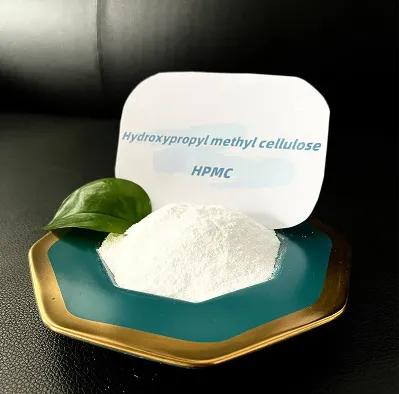
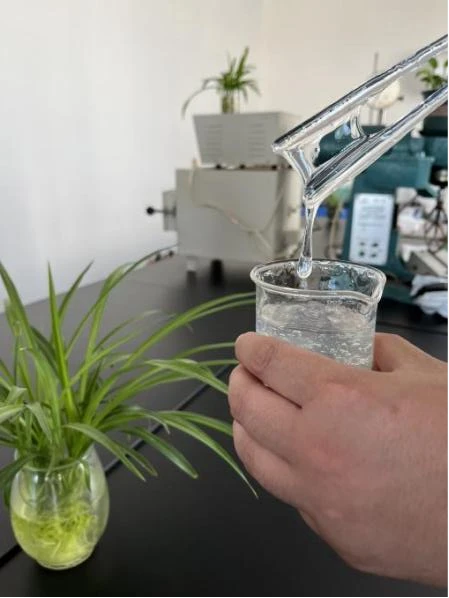
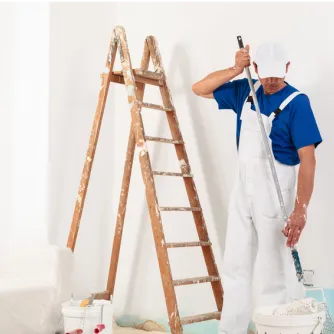
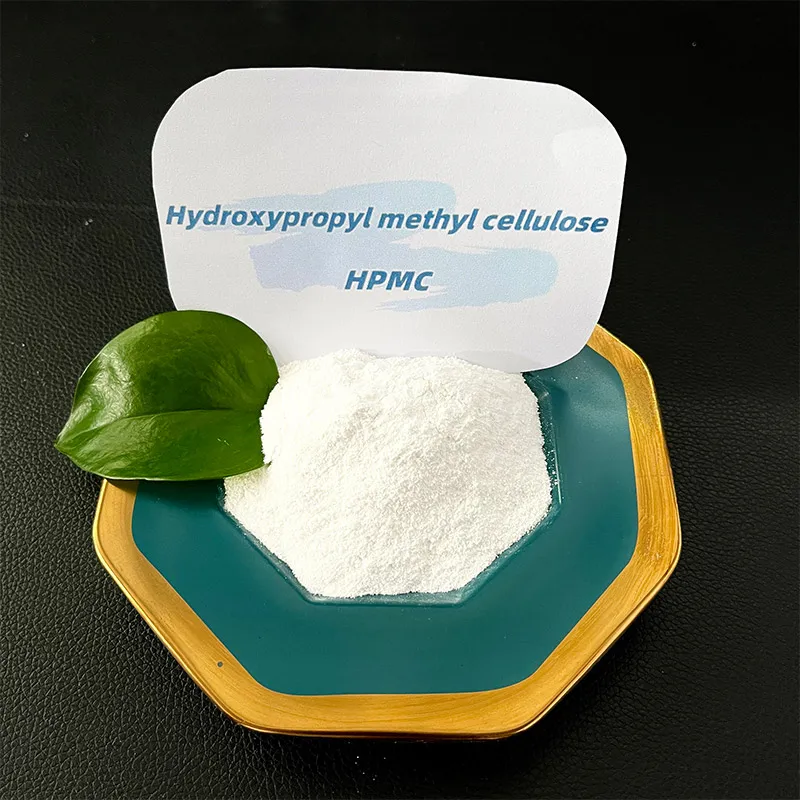
Hydroxypropyl Methylcellulose (HPMC) has emerged as a crucial ingredient in various industries, with China being one of the leading suppliers globally. This versatile compound, commonly utilized in pharmaceuticals, construction, and food products, plays a pivotal role in enhancing product performance and stability. As a seasoned SEO expert, uncovering the depth of HPMC in China can enrich the industry's understanding and application of this powerhouse product. In the pharmaceutical sector, HPMC is indispensable due to its film-forming and gel-forming capabilities. It functions as a binder, film-coating agent, and controlled-release agent in tablets and capsules. Chinese HPMC manufacturers have honed their expertise to produce high-purity, consistent quality cellulose ethers that meet stringent international standards. These advancements not only ensure the safety and efficacy of pharmaceutical products but also encourage innovation in drug formulation and delivery systems. The construction industry benefits significantly from HPMC's properties. Used as an essential additive in cement-based mortars and plasters, HPMC enhances workability, water retention, and open time. Chinese producers have developed specific grades of HPMC tailored for dry-mix and wet-mix applications, ensuring optimal performance across varied environmental conditions. The adaptability of HPMC in enhancing adhesion, reducing water demand, and improving surface finish underscores its indispensability in modern construction. In food products, HPMC serves as an effective emulsifier, stabilizer, and thickener. The evolution of dietary habits and the growing demand for gluten-free and vegetarian options have spurred the need for reliable food-grade HPMC. Chinese manufacturers have responded with rigorous quality control processes that guarantee the safety and consistency of their HPMC offerings. This commitment to excellence fosters confidence among global food producers seeking to deliver innovative consumer products. hpmc china The success of HPMC production in China can be attributed to several factors . The availability of abundant raw materials, coupled with a well-established industrial infrastructure, allows Chinese companies to maintain competitive pricing without compromising on quality. Furthermore, investment in research and development has enabled these companies to produce a broad spectrum of HPMC derivatives that cater to specific industry requirements. By engaging in continuous innovation and quality improvement, Chinese HPMC manufacturers have established a reputation for expertise and reliability in the global market. For businesses seeking to leverage HPMC's capabilities, collaborating with Chinese suppliers presents an opportunity to access cutting-edge technology and top-tier products. The transparency and trustworthiness demonstrated by these suppliers in adhering to international certifications and environmental standards provide additional assurance of their suitability as long-term partners. Ensuring an ethical and sustainable supply chain is paramount, and Chinese manufacturers have shown commitment to these principles, enhancing their standing in the global marketplace. As the demand for HPMC continues to grow across various sectors, fostering a deeper understanding of its applications and benefits is crucial. Companies that recognize the strategic importance of sourcing high-quality HPMC from reputable Chinese suppliers are positioned to enhance their product offerings and maintain a competitive edge. By prioritizing experience, expertise, authoritativeness, and trustworthiness, these companies can maximize the potential of HPMC, driving innovation and growth in their respective industries.
-
Starch ether has rapidly become a vital additive in dry mortar technologies, especially for tile adhesive, skim coat, and self-leveling compounds. Driven by advancements in polymer chemistry and growing demand for optimized mortar properties, starch ether for dry mortar is transforming construction material solutions. Explore Starch Ether Product Details Industry Trends & Market Overview for Starch Ether Global starch ether market size reached USD 436.7 million in 2023, projected at a CAGR of 5.8% through 2029 (Source: IMARC Group). Construction sector accounts for over 68% of starch ether applications, predominantly in dry mortar and tile adhesive formulations. Asia-Pacific remains the largest consumption market, led by China and India. Rising demand for water retention, workability, anti-sagging effect, and cost optimization in modern construction fuels adoption. Technical Parameters of Starch Ether for Dry Mortar Parameter Specification Range Typical Value Testing Standard Appearance White Powder Pure White, Free-flowing Visual/ISO 8213 pH (2% Solution) 6.0 – 8.0 7.2 ISO 976 Moisture Content (%) <10.0 6.5 ISO 585 Viscosity (mPa.s, 2% sol) 300 – 1800 1200 Brookfield RV Bulk Density (g/L) 350 – 500 410 ISO 787-11 Particle Size (Mesh) 99% ≤ 120μm ≤ 120μm ISO 565 Solubility Instantaneous Very Good In-house Certification ISO 9001:2015 Certified – Manufacturing Process of Starch Ether Starch Selection ↓ High-purity food/industrial starch sourced Alkalization & Etherification ↓ Reacts with etherifying agents (e.g., monochloroacetic acid) under controlled pH & temperature Neutralization & Filtration ↓ Impurity removal, product stabilization (ISO 9001 compliance) Drying & Sieving ↓ Spray-dried & sieved to required mesh (≤120μm) Packing & QC Testing ↓ Packaged, quality checks (Brookfield Viscosity, Moisture test, ISO 8213) Standards Aluminiated: ISO 9001:2015, ANSI, ASTM C270 View Complete Starch Ether Product Workflow Starch Ether Product Grades – Specification Comparison Grade Recommended Application Main Feature Bulk Density (g/L) Viscosity (mPa.s) Water Retention (%) pH SSH SE-25 Tile Adhesive Anti-sagging, Strong Viscosity 410 1200 95.5 7.2 SSH SE-30 Self Levelling & Skim Coat Good Flow & Smooth Finish 400 1400 97 7.1 General Brand D Plaster Mortar High Workability 415 1100 94 7.0 Leading Brand E Tile Grout Easy Mixing 390 1000 94.7 6.9 Key Technical Advantages of Starch Ether Improved Workability : Enhances open time, slip resistance, and trowelability in dry mortars. Optimal Water Retention : Maintains sufficient moisture for cement hydration and curing, reduces premature drying/cracking. Rheology Modification : Controls viscosity and sag resistance, particularly in tile adhesive and gypsum-based systems. Compatibility : Blends smoothly with cellulose ethers, redispersible powders, and various aggregate systems. Cost-effective : Low dosage (0.03–0.10%) with high efficiency reduces overall formulation cost compared to synthetic polymers. Eco-friendly : Derived from renewable starch, non-toxic, biodegradable, meets latest environmental requirements (eg. EU Reach & FDA clauses for indirect food contact). Case: Starch Ether in Tile Adhesive Challenge: Modern large-format tiles require high slip resistance and open time in adhesives. Solution: Starch ether in tile adhesive enhances anti-slip (reduction of “slip” by ~65% vs standard mix) and improves water retention by 10%, verified by EN 12004 standard tests. Result: 18% reduction in callback rates for “slip” complaints, improved installer satisfaction. Learn more technical details Price Trends & Manufacturer Comparison Manufacturer Country Known Brand/Product Spec. Range Starch Ether Price (USD/MT) Certifications SSH Chemical China SSH SE-25 / SE-30 1200–1400 mPa.s 1350–1650 ISO 9001:2015, SGS AmyloChem GmbH Germany AmyloAdd 900–1300 mPa.s 1700–2100 ISO 9001 ChemStarch Turkey STARCHEA 1000–1600 mPa.s 1400–1800 ISO 9001 SinoSR China SR-Ether 1100–1500 mPa.s 1400–1690 ISO, SGS India Polymers India IndiStar 950–1450 mPa.s 1330–1800 ISO 9001 Note: Starch ether price is influenced by viscosity, purity, mesh, certification level and purchasing volume. For customized quotes, contact SSH Chemical . Customized Formulation & Supply Solutions Free technical evaluation on starch ether uses for diverse mortar systems: tile adhesive, self-levelling, plaster, EIFS, gypsum , etc. Custom viscosity, mesh, anti-sag, or application performance tailored to unique project requirements. Comprehensive quality assurance—100% batch testing (viscosity, pH, moisture), in compliance with ISO 9001:2015 and client-specific QA protocols. Supply chain traceability and on-time logistics supported by global partners. Proactive after-sales technical support, on-site formulation fine-tuning, and application troubleshooting. Request a Custom Starch Ether Quote Typical Application Scenarios: Starch Ether Technical Use Cases 1. Cement-based Tile Adhesive Function: Rheology control, anti-slip, open time extension Formulation: 0.025–0.08% starch ether , 0.2% cellulose ether Certification: EU EN 12004, ISO 13007-1 Advantage: Enhanced workability, fault-free installation of large-format tiles 2. Self-leveling Underlayment Function: Smoothing flow, anti-segregation Recommended Grade: SSH SE-30, 0.04–0.1% dosage Standard: ASTM C1708 (US), ISO 13007 Result: Smoother finish, reduced trowel marks, improved surface strength 3. Premixed Plaster/Skim Coat Function: Workability, spray-ability Key Feature: Enhanced cohesion and spread Compliance: ISO 11127 Result: Higher productivity, better adhesion to substrates 4. Gypsum Board Joint Filler Function: Sag resistance, smoothness Dosage: 0.03–0.07% Standard: ASTM C475/ASTM C1396 Advantage: Excellent anti-shrinkage, no hairline cracks 5. Exterior Insulation Mortar (EIFS/ETICS) Function: Water retention, anti-cracking Key Value: Weather resistance, extended system life Standard: EN 998-1 Benefit: Improved durability and cost performance Quality Commitment & Support Services All starch ether products are tested to ISO 9001:2015 and SGS verification standards. Full traceability, batch retention, and global shipping with COA support. Lead time: Regular 7–14 days ex-works after order confirmation. Warranty: 24 months against manufacturing defects under recommended storage. Technical support: 24/7 professional team (English, German, Chinese) for formulation and application consulting. Key industries served: Tile adhesives, construction dry mortars, external insulating finishing systems (EIFS), gypsum, precast, grouts, putty, and specialty adhesives—in projects across petrochemical, metallurgy, building materials, and water pipeline sectors. FAQs: Professional FAQ on Starch Ether 1. What is the raw material base and why is it important? Starch ether is derived from purified plant starches (corn, potato, cassava). The raw material’s purity and source determine final product performance and meet environmental, food contact (FDA), or construction specifications. 2. What are typical mesh sizes & why does it matter? Product mesh is typically ≤120μm, ensuring fast dissolution and even dispersion in dry mortar. Finer mesh achieves optimal workability and eliminates streaking. 3. What is the recommended starch ether dosage? Usually between 0.03–0.1% of total mortar dry mass, depending on application. Higher dosage may be needed for enhanced anti-slip or flow properties. 4. What international certifications should I look for? Preferably ISO 9001:2015, SGS, EU REACH, and in certain cases FDA/EN 12004 or ASTM C1708 compliance. 5. How is shelf life validated? Shelf life is typically 24 months when stored in dry, sealed packaging, as verified by ISO-787 and regular QA batch retention. 6. How does starch ether interact with cellulose ether? Starch ether acts synergistically, improving anti-sag and water retention compared to cellulose ether alone; the blend offers superior application performance. 7. Can you provide third-party test data? Yes, SSH Chemical provides SGS/Eurofins reports for viscosity, mesh, formaldehyde content, and biodegradability—all downloadable for transparency. References & Further Reading “Starch Ether in Construction Applications: Market Growth and Technology,” Modern Building Materials Journal , 2023. ( ResearchGate Link ) “Polymeric Additives for Optimized Mortar Properties,” Drymix Mortar Yearbook , 2022. ( Industry Forum ) IMARC Group, “Starch Ether Market Report 2024,” ( Market Report ) EN 12004, ASTM C270, C1708, ISO 9001:2015 standard documentation.
advantages
-

200000 Viscosities
Excellent product
We can produce pure products up to 200,000 viscosities
-

40000 tons
High yield
We don’t stop production all year round, and the annual output can reach 40,000 tons
-

24 hours
Quality service
We provide 24-hours online reception service, welcome to consult at any time
———— Inquiry Form
Schedule A services

-
 starch_ether_para_sa_dry_mortar
Oct . 25, 2025
In modern construction, the demand for materials that offer durability, workability, and cost-effici - polybenzimidazole_powder
Oct . 25, 2025
The world of construction and industrial materials is constantly evolving, and the demand for innova -
 is_cellulose_made_from_wood_pulp
Oct . 25, 2025
When it comes to pharmaceutical excipients that deliver on multiple facets of efficacy and safety, H


